Mastering Realistic 3D Text Rendering: A Guide to High-Quality Grass-Themed Designs
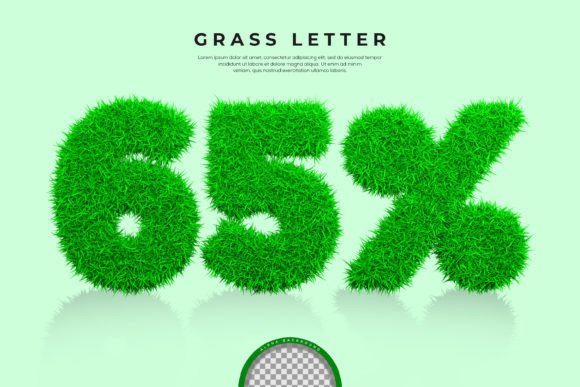
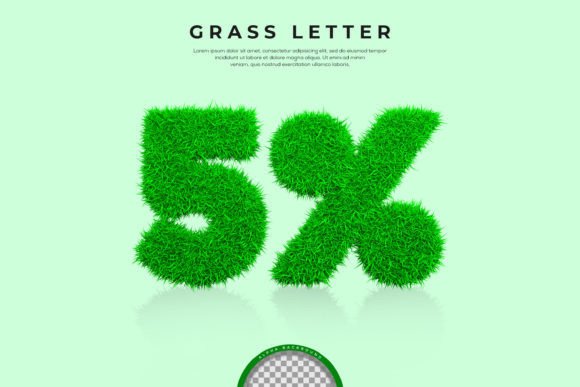
In the evolving landscape of digital design, the demand for hyper-realistic visual elements has never been higher. Among the most sought-after assets are 3D text renders that integrate seamlessly with natural environments. One specific niche that has gained significant traction is the combination of typography with organic textures, such as the Green Grass of 5 off in 3d Text Render. This style bridges the gap between technical precision and artistic expression, offering designers a powerful tool to create eye-catching visuals for branding, social media, and editorial projects.
Understanding how to leverage these assets effectively requires more than just downloading a file; it requires an appreciation for the workflow, the technology behind high-resolution rendering, and the practical applications of smart object manipulation. This article explores the significance of realistic grass 3D rendering text, demystifies the editing process, and highlights why high-quality templates are essential for modern creative workflows.
The Appeal of Organic Textures in Digital Typography
Typography is no longer limited to flat, two-dimensional letters. With advancements in rendering software, designers can now create text that appears to exist in the physical world. When you introduce elements like realistic grass into your text designs, you add a layer of tactile realism that engages the viewer on a sensory level. The contrast between the rigid structure of letters and the chaotic, organic nature of grass creates a visually compelling dynamic.
This aesthetic is particularly effective in industries related to sustainability, agriculture, outdoor recreation, and eco-friendly products. For instance, a campaign promoting a new line of organic skincare might use Green Grass of 5 off in 3d Text Render to subtly communicate freshness and natural ingredients without relying on cliché imagery. The texture itself becomes part of the message, conveying vitality and growth.
Moreover, the psychological impact of green hues cannot be overstated. Green is universally associated with health, tranquility, and renewal. By embedding this color palette into 3D text, designers can evoke positive emotional responses from their audience, making the content not just visually appealing but also emotionally resonant.
Why High-Resolution Rendering Matters
One of the critical factors that distinguish amateur designs from professional-grade assets is resolution. In the context of Realistic Grass 3d rendering text, clarity is paramount. A standard web image may suffice for a small thumbnail, but for large-format prints, billboards, or high-definition digital displays, you need superior quality. This is where specifications like 4500 x 3000 pixels and 300 DPI (dots per inch) become crucial.
- Print Readiness: A resolution of 300 DPI ensures that when the image is printed, there are no pixelated edges or blurry textures. Every blade of grass remains distinct, preserving the realism of the render.
- Scalability: With dimensions of 4500 x 3000 pixels, the asset provides ample room for cropping and resizing without losing detail. This flexibility is vital for adapting designs across various platforms, from Instagram posts to magazine covers.
- Professional Polish: High-resolution files signal professionalism. Clients and audiences subconsciously associate crisp, detailed images with higher quality brands and services.
When utilizing templates that offer these specifications, you are investing in versatility. You are not just getting an image; you are getting a foundation that can support a wide range of creative decisions without compromising on visual fidelity.
Simplifying the Workflow with Smart Objects
For many designers, especially those who are beginners or working under tight deadlines, the complexity of 3D software can be a barrier. This is where pre-made templates shine. The primary advantage of using a template for Very easy to use 3D text is the integration of Smart Object Replacement Layers. This feature transforms a potentially hours-long modeling task into a matter of minutes.
Smart objects in Adobe Photoshop allow users to edit contents non-destructively. Here is how the process typically works:
- Open the PSD File: The template comes organized with clearly labeled layers, ensuring that you do not have to hunt for the right component.
- Double-Click the Smart Object: This action opens a separate window containing the text or element you wish to change.
- Edit and Save: You can type your desired text, adjust fonts, or modify colors. Once you save and close this window, the main document updates automatically, applying all the complex lighting, shadows, and texture mappings to your new input.
This workflow is described as 100 very easy to edit because it removes the need for manual re-rendering. The heavy lifting—calculating light bounces, shadow castings, and texture displacements—has already been done by the template creator. You simply plug in your content, and the system handles the rest. This efficiency is invaluable for agencies and freelancers who need to produce multiple variations of a design quickly.
Customization and Color Flexibility
While the default Green Grass aesthetic is popular, creativity often demands variation. A robust template allows for extensive customization. All colors can be changed easily, meaning you are not locked into a single palette. Whether you need autumnal oranges, winter whites, or vibrant neon greens, the underlying structure of the template supports these changes through adjustment layers and hue/saturation controls.
This flexibility extends beyond just color. Because the layers are very Organized, you can isolate specific elements. Want to enhance the depth of field? Adjust the blur on the background layer. Want to make the text pop more? Tweak the lighting effects on the text layer. This level of control ensures that the final output aligns perfectly with your brand guidelines or artistic vision.
It is important to note that All images that are not included are examples for presentation purposes only. This disclaimer is standard in digital asset marketplaces. It means that while the template provides the structure and the grass texture, any additional props, models, or background scenes shown in preview images may need to be sourced separately or are merely illustrative of what can be achieved. Understanding this helps manage expectations and encourages users to explore their own creative additions.
Practical Applications in Modern Design
The utility of Realistic Grass 3d rendering text extends across various sectors. In marketing, it can be used for seasonal campaigns, such as spring sales or Earth Day promotions. In education, it can make learning materials more engaging, particularly for subjects related to biology or environmental science. In the tech industry, it offers a fresh, organic counterpoint to the usually sterile, minimalist aesthetic of software interfaces.
Furthermore, these assets are not just for static images. With the rise of motion graphics, high-resolution PSDs can be imported into video editing software to create animated titles. The detailed textures provide a rich base for adding movement, such as wind blowing through the grass or light shifting across the letters.
Conclusion and Next Steps
Incorporating Green Grass of 5 off in 3d Text Render into your design toolkit is a strategic move towards creating more immersive and professional visuals. The combination of high-resolution outputs, user-friendly smart object workflows, and extensive customization options makes these templates an indispensable resource for designers of all skill levels. By leveraging these tools, you can focus less on technical hurdles and more on creative storytelling.
As you explore these possibilities, remember that the best designs are those that serve a purpose. Whether you are aiming to evoke a sense of calm, promote sustainability, or simply catch the eye, realistic 3D text offers a versatile medium to achieve your goals. Thanks for Download and taking the time to understand the potential of these assets. We encourage you to experiment with different colors, texts, and compositions to find what works best for your projects.
And also see my other works. maybe you like it too. Exploring a diverse portfolio can provide further inspiration and reveal new techniques that can elevate your design practice. The world of 3D rendering is vast, and with the right resources, you can master it one layer at a time.