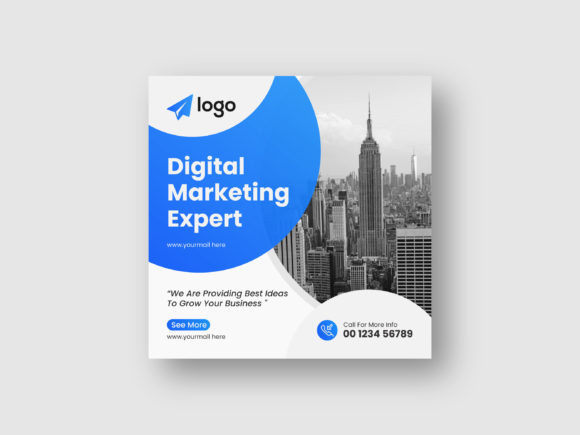
Mastering Digital Marketing Through Effective Web Banner Design
In the rapidly evolving landscape of digital marketing, visual communication has become the cornerstone of successful online campaigns. Among the various tools available to marketers, web banner design remains one of the most effective methods for capturing audience attention and driving conversions. Whether you are a small business owner, a freelance designer, or a marketing professional, understanding the nuances of creating high-impact banners is essential. This guide explores the fundamentals of web banner design, emphasizing the importance of customizable, editable assets that streamline the creative process while maintaining professional quality.
The Role of Web Banners in Modern Digital Strategy
Web banners are more than just decorative images; they are strategic communication tools. In the context of digital marketing, a banner serves as a digital billboard, conveying a message, promoting a product, or encouraging a specific action within seconds. The primary goal is to stop the scroll. With users bombarded by thousands of ads daily, a well-designed banner must stand out through clarity, relevance, and aesthetic appeal.
The significance of banner design extends beyond mere visibility. It influences brand perception. A poorly designed banner can undermine trust, while a polished, professional design enhances credibility. For businesses, this means that investing time in understanding design principles—or utilizing high-quality, pre-made templates—is not optional but necessary for competitive advantage.
Why Customizability Matters in Design Assets
One of the most critical features of modern design resources is easy customizability. In the past, creating a banner from scratch required hours of labor-intensive work. Today, the demand for agility in marketing means that designers and marketers need assets that can be adapted quickly. An editable design file allows users to change text, colors, and images to suit different campaigns without starting from zero.
For instance, if a company runs a seasonal sale, they can take a standard banner template and simply update the headline and discount percentage. This flexibility ensures consistency across campaigns while saving valuable time. When looking for design resources, prioritizing files that are fully layered and organized is crucial for this level of efficiency.
Technical Specifications for High-Quality Banners
To ensure that your web banners look crisp and professional on all devices, adhering to specific technical standards is vital. Understanding these specifications helps prevent common issues such as pixelation, color distortion, or slow loading times.
Understanding RGB Color Mode
All digital screens, from smartphones to desktop monitors, display colors using the RGB (Red, Green, Blue) color model. Unlike print design, which uses CMYK, web design must strictly utilize RGB. Using the correct color mode ensures that the vibrant hues you see on your design software match what the user sees on their screen. If a designer accidentally works in CMYK, the colors may appear dull or shifted when uploaded to a website, negatively impacting the visual appeal of the digital marketing campaign.
The Importance of 1080x1080 Pixel Dimensions
The dimension of 1080×1080 pixels has become a standard square format, particularly popular on social media platforms like Instagram and Facebook, as well as many display ad networks. This square aspect ratio is versatile because it occupies significant screen real estate on mobile devices without being too intrusive. It provides enough space to include a compelling image, a concise headline, and a clear call-to-action (CTA).
Using this specific dimension ensures that your banner is optimized for high-resolution displays. As retina and 4K screens become more common, starting with a 1080px base allows for sufficient detail. However, it is also important to keep file sizes optimized to ensure fast loading speeds, which is a key factor in both user experience and SEO.
Leveraging Adobe Illustrator for Professional Results
When it comes to creating scalable and editable web banners, Adobe Illustrator is the industry-standard tool. Unlike raster-based programs like Photoshop, Illustrator uses vector graphics. This means that elements such as text, shapes, and icons can be resized infinitely without losing quality. For a web banner design, this is invaluable. You can scale a button or a logo up or down to fit different layouts without worrying about pixelation.
Furthermore, Illustrator files (.ai) are highly structured. A professional template will have organized layers, named groups, and editable text fields. This structure makes it easy for even those with intermediate design skills to make changes. For example, you can easily swap out a background shape or adjust the kerning of a headline to improve readability.
The Advantage of Free Fonts
Typography plays a massive role in how a message is perceived. However, licensing fonts can be expensive and complicated. Many high-quality design templates now utilize free fonts that are commercially usable. This feature removes a significant barrier for beginners and small businesses. By using free fonts, you ensure that your design is not only aesthetically pleasing but also legally safe to use in commercial digital marketing campaigns.
Common free font families often include clean sans-serifs that convey modernity and trust, or bold serifs that add a touch of elegance. The key is to choose fonts that align with your brand identity while ensuring they remain legible at smaller sizes, which is often the case with mobile viewing.
Practical Tips for Effective Banner Creation
Creating a successful banner involves more than just technical setup. It requires a strategic approach to content and layout. Here are some practical steps to enhance your design effectiveness:
- Keep it Simple: Avoid clutter. Use white space effectively to guide the viewer’s eye to the most important elements: the headline and the CTA.
- Focus on the Message: Your text should be concise. Users scan banners quickly, so use powerful verbs and clear value propositions.
- Use High-Contrast Colors: Ensure that your text stands out against the background. This improves readability and accessibility.
- Include a Clear Call-to-Action: Tell the user exactly what to do next, such as "Shop Now," "Learn More," or "Sign Up."
Clarifying Common Misconceptions
A common misunderstanding in web banner design is that including more information leads to better results. In reality, cognitive overload causes users to ignore the ad entirely. Another misconception is that complex animations always perform better. While motion can attract attention, simple, static designs often convert better if they are clear and relevant to the user's intent.
Additionally, many beginners assume that once a design is created, it is final. However, digital marketing thrives on testing. A/B testing different versions of a banner—changing colors, headlines, or images—can provide valuable insights into what resonates with your audience. This is why having an editable file format is so beneficial; it allows for rapid iteration and optimization.
Integrating Banners into Your Marketing Funnel
Web banners should not exist in isolation. They are part of a larger marketing funnel. Top-of-funnel banners might focus on brand awareness, using engaging visuals and minimal text. Middle-of-funnel banners might offer educational content or discounts to nurture leads. Bottom-of-funnel banners are direct and urgent, pushing for a final purchase.
By aligning your banner design with the stage of the customer journey, you increase the likelihood of conversion. For example, a retargeting banner might remind a user of a product they viewed, using a personalized message and a limited-time offer. The flexibility of Adobe Illustrator files allows marketers to create variations for each stage efficiently.
Conclusion
In conclusion, web banner design is a critical component of successful digital marketing. By leveraging customizable, editable assets in RGB color mode with standard dimensions like 1080×1080 pixels, businesses can create professional, high-impact visuals quickly. Utilizing tools like Adobe Illustrator and incorporating free fonts further streamlines the process, making high-quality design accessible to everyone. Remember, the goal is not just to create a pretty image, but to communicate a clear message that drives action. With the right approach and resources, you can elevate your online presence and achieve measurable results in your marketing efforts.
For those looking to start, consider exploring templates that offer these features. Note that while the design files are comprehensive, images are typically not included due to licensing restrictions, allowing you the freedom to choose stock photos or original imagery that best fits your brand. This flexibility ensures that your final output is unique and tailored to your specific audience needs.