Strategic Clarity in Visual Feedback: Leveraging the Vector Design of Rating Star
In the digital marketplace, trust is not merely a sentiment; it is a measurable metric that directly influences conversion rates and customer retention. At the heart of this visual language lies the Vector Design of Rating Star, a deceptively simple graphic element that carries immense weight in user experience design. While often overlooked as a standard UI component, the strategic deployment of rating stars can define how a brand communicates quality, reliability, and social proof. For entrepreneurs, marketers, and designers, understanding the nuance behind these icons is essential for creating interfaces that do not just display data, but persuade users.
The shift from raster images to vector graphics represents a critical decision in modern web development. A Vector Design of Rating Star offers scalability without degradation, ensuring that whether a user is viewing your online store on a high-resolution retina display or a modest mobile screen, the integrity of the design remains intact. This technical superiority translates into professional credibility. When pixels blur or edges jaggedly appear, subconscious doubts about the site’s quality arise. Conversely, crisp, clean lines reinforce a perception of precision and care.
The Strategic Value of Scalable Assets in Brand Positioning
Brand positioning is built on consistency. The Vector Design of Rating Star serves as a foundational element in establishing a cohesive visual identity across multiple platforms. Unlike static JPEGs, vector files allow for infinite manipulation. You can adjust stroke weights, modify corner radii, or alter proportions to align perfectly with your brand’s existing typography and iconography. This level of customization ensures that the rating system does not feel like an afterthought or a generic plugin addition, but rather an integrated part of the user journey.
Consider the psychological impact of a well-designed star. It acts as a heuristic—a mental shortcut that helps users make quick decisions. In an era of information overload, customers rely on these visual cues to assess value rapidly. By utilizing a Vector Design of Rating Star that is distinct yet familiar, you reduce cognitive load. The user does not have to interpret what the symbol means; they simply process the quantity and quality indicated by the filled versus empty states. This efficiency drives productivity in the browsing process, leading to faster checkout times and reduced bounce rates.
Aesthetic Versatility: The Power of Hand-Drawn Styles
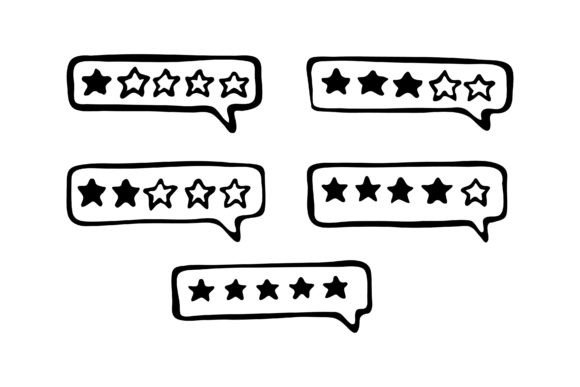
While precision is valuable, authenticity is increasingly prized. This is where the Vector design of rating star with hand drawing style becomes a powerful differentiator. In markets saturated with sterile, corporate aesthetics, a hand-drawn approach introduces warmth, humanity, and approachability. It suggests that there are real people behind the brand, curating products with care. This style is particularly effective for artisans, boutique retailers, educational platforms, and lifestyle brands that prioritize connection over transaction.
Implementing a hand-drawn vector star requires a delicate balance. It must appear organic without looking sloppy. The beauty of using vector formats for this style is the ability to refine the "imperfections." You can maintain the charm of a sketch while ensuring the lines are clean enough for digital rendering. This duality allows brands to communicate creativity and professionalism simultaneously. When used in contexts such as customer testimonials, product reviews, or educator feedback loops, the hand-drawn style softens the critique, making negative ratings feel constructive rather than punitive, and positive ratings feel personal rather than automated.
Technical Implementation and File Format Mastery
To fully leverage these design assets, one must understand the technical ecosystem surrounding them. The download package for a comprehensive Vector Design of Rating Star typically includes a suite of formats tailored for different stages of the design and development workflow. Understanding when to use each file type is crucial for operational efficiency.
- EPS and AI Files: These are your master files. Use Adobe Illustrator (AI) or compatible software to edit the core design. If you need to change the number of points on the star, adjust the thickness of the hand-drawn lines, or convert the outline to a fill, these editable vector sources are indispensable. They preserve all layer information and editing capabilities.
- SVG Files: For web developers, the SVG (Scalable Vector Graphics) format is the gold standard. It allows the star to be rendered directly in the browser code, meaning it loads instantly and scales perfectly on any device. SVGs can also be styled with CSS, enabling dynamic interactions such as changing color on hover or animating the fill state when a user selects a rating.
- PNG Files: Portable Network Graphics are essential for transparency. If you need to overlay the rating star on a complex background image or a colored banner where CSS styling is not feasible, a high-resolution PNG ensures clean edges without the white box artifact common in JPEGs.
- JPEG Files: While less flexible due to compression artifacts and lack of transparency, JPEGs are useful for quick previews, email newsletters, or social media graphics where file size constraints are strict and interactivity is not required.
By having access to all these formats—1 EPS File, 1 AI File, 3 JPEG Files, 1 PNG File, and 1 SVG File—you eliminate bottlenecks in your workflow. Designers can iterate quickly in AI, developers can implement responsive code with SVG, and marketers can deploy static assets via PNG or JPEG without needing to request new exports for every campaign.
Risk Management: Avoiding Contextual Misalignment
Even the most beautifully crafted Vector Design of Rating Star can fail if deployed without strategic intent. One common risk is stylistic dissonance. Placing a whimsical, hand-drawn star on a highly technical, data-heavy financial dashboard can undermine the perceived seriousness of the platform. Conversely, using a rigid, geometric vector star on a cozy, handmade craft store site may create a sense of coldness or detachment.
Another risk is over-reliance on visual cues without substantive backing. A five-star graphic is a promise of quality. If the underlying product or service fails to deliver, the visual element becomes a symbol of deception rather than assurance. Therefore, the design must be paired with robust operational excellence. The star should reflect reality, not mask it. Furthermore, accessibility must be considered. Ensure that the contrast between the star and the background meets WCAG guidelines, and that screen readers can interpret the rating value, not just the visual icon.
Decision-Making Framework for Integration
Before integrating a new rating system, ask yourself three strategic questions:
- What is the primary goal? Is it to build trust (social proof), to gather feedback (operational improvement), or to gamify engagement (user retention)? The answer dictates the prominence and style of the star.
- Who is the audience? Corporate buyers may prefer clean, minimal vectors that signal efficiency. Creative consumers may respond better to the organic feel of a hand-drawn style. Align the aesthetic with the psychographics of your user base.
- How will it scale? Consider future needs. Will you need half-stars? Quarter-stars? Different colors for different rating tiers? Starting with a flexible Vector Design of Rating Star ensures you can expand the system without redesigning from scratch.
Intentionality is key. Do not simply drop a star icon onto a page because it is standard practice. Use it to guide attention, validate claims, and enhance the narrative of your brand. Whether you choose the precision of a standard vector or the charm of a hand-drawn approach, the asset must serve the broader business objective.
Long-Term Value and Brand Equity
Investing in high-quality design assets yields compounding returns. A well-executed Vector design of rating star with hand drawing style or a classic geometric variant becomes part of your brand’s visual vocabulary. Over time, users associate that specific shape and style with your unique customer experience. This recognition builds brand equity. It transforms a functional UI element into a brand asset.
Moreover, the flexibility of vector files supports long-term adaptability. As design trends evolve—from flat design to neumorphism to brutalism—your core assets can be tweaked to stay current without losing their fundamental identity. This adaptability protects your investment, ensuring that your online store remains visually relevant and technically robust for years to come.
In conclusion, the Vector Design of Rating Star is far more than a decorative element. It is a strategic tool for communication, trust-building, and user guidance. By selecting the right style, utilizing the appropriate file formats, and aligning the design with your brand’s core values, you create a more intuitive, persuasive, and professional digital environment. Make the decision to treat these small details with big-picture thinking, and watch how they contribute to your overall success.