Integrating the Set of 3D Geometric White Bubble Label into Modern Design Workflows
In the fast-paced world of digital marketing and brand development, visual consistency is not merely an aesthetic preference; it is a functional necessity. Designers, marketers, and small business owners often find themselves bottlenecked by the repetitive task of creating foundational graphic elements from scratch. This is where pre-made assets, such as a Set of 3D Geometric White Bubble Label, become invaluable components of a streamlined creative process. These elements are not just decorative additions; they are structural tools that help organize information, draw attention to key messages, and maintain a cohesive visual language across various platforms.
Understanding how to effectively incorporate these vector illustrations into your workflow requires more than simply downloading a file. It involves recognizing where these assets fit within the broader lifecycle of a project, from initial concept to final deployment. By leveraging high-resolution, fully editable vectors, creators can significantly reduce production time while elevating the perceived quality of their output.
The Strategic Role of Vector Assets in Project Planning
Before diving into the execution phase of any design project, proper preparation and resource allocation are critical. Many professionals underestimate the time spent on creating basic shapes and labels, assuming these tasks are trivial. However, when scaled across multiple deliverables—such as social media posts, email newsletters, product packaging, or presentation decks—these minor tasks accumulate into significant hours.
Integrating a Set of 3D Geometric White Bubble Label into your asset library during the planning stage allows for a more efficient workflow. Instead of starting with a blank canvas, you begin with a toolkit of proven, versatile elements. This shift in approach changes the dynamic of the creative process. You move from construction to composition. The focus shifts from "how do I make this shape look three-dimensional?" to "how does this label best serve the content it holds?"
This strategic use of pre-made assets supports better decision-making. When the technical burden of creating complex geometric forms is removed, you have more mental bandwidth to consider hierarchy, color theory, and user experience. For entrepreneurs and freelancers who often wear multiple hats, this efficiency is not a luxury; it is a requirement for maintaining profitability and meeting tight deadlines.
Technical Compatibility and File Management
One of the most crucial aspects of using professional-grade graphics is ensuring compatibility with your existing software ecosystem. The utility of a Set of 3D Geometric White Bubble Label is heavily dependent on its format and editability. High-quality assets should be delivered in vector formats, such as EPS Version 10, alongside high-resolution raster previews like JPG.
Vector graphics are resolution-independent, meaning they can be scaled to any size without losing clarity. This is particularly important for projects that require multi-channel distribution. A label used on a business card must look just as crisp when enlarged for a trade show banner. By utilizing files that are readable by vector-based graphic programs such as Adobe Illustrator and Corel Draw, you ensure that every anchor point and curve remains precise.
Furthermore, the specification of "100% vector" and "fully editable" is not just marketing jargon; it is a functional requirement for customization. In a real-world workflow, you will rarely use an asset exactly as it comes out of the box. You may need to adjust the curvature to fit specific text lengths, change the shadow intensity to match a new brand palette, or modify the geometric angles to align with a corporate style guide. Fully editable vectors allow for this level of granular control, ensuring that the asset integrates seamlessly rather than appearing pasted in.
Implementation in Creative and Business Workflows
Once the technical groundwork is laid, the actual implementation of these 3D geometric labels can transform various stages of content creation. Here is how these assets interact with different types of projects:
- Brand Identity Development: When establishing a new brand, consistency is key. Using a standardized set of bubble labels helps create a recognizable visual signature. Whether used in logo variations, iconography, or promotional materials, the consistent geometric style reinforces brand recall.
- Social Media Content Creation: Social platforms demand high volumes of fresh content. Marketers can use these labels to highlight quotes, discount codes, or key features in Instagram stories and posts. The 3D effect adds depth to flat feeds, increasing engagement rates by breaking the visual monotony.
- E-commerce and Product Packaging: For small business owners selling physical goods, these labels can be adapted for packaging design. They provide a clean, modern backdrop for product names or certifications (e.g., "Organic," "New," "Limited Edition"). The high resolution (300 dpi) ensures that printed materials meet professional standards.
- Educational and Corporate Presentations: Educators and corporate trainers can use these geometric bubbles to organize complex information. By placing key takeaways inside distinct 3D labels, presenters can guide the audience’s focus and improve information retention.
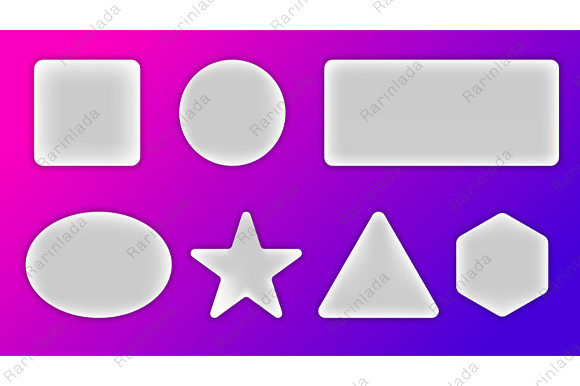
The versatility of the Set of 3D Geometric White Bubble Label lies in its neutrality. The white color scheme acts as a blank slate, allowing it to adapt to any background color or image. This adaptability reduces the need for creating multiple versions of the same asset for different campaigns.
Quality Control and Long-Term Usability
Investing in high-quality assets is a long-term strategy. Low-resolution images or poorly constructed vectors often lead to frustration during the editing process. Nodes may be misplaced, layers may be unorganized, and scaling may result in pixelation. In contrast, a professionally crafted vector set ensures that the geometry is mathematically sound.
When evaluating the usability of such assets, consider the organization of the file. Are the layers named logically? Is the artwork grouped appropriately? A well-organized file saves time during the editing phase. For instance, if the shadow, highlight, and base shape of the 3D bubble are on separate, labeled layers, adjusting the lighting direction to match a new design concept becomes a matter of seconds rather than minutes.
Moreover, the absence of watermarks and the inclusion of high-resolution JPGs for quick previews facilitate a smoother review process. Stakeholders who may not have vector software can still view and approve designs using the JPG files, speeding up the feedback loop. Once approved, the designer can finalize the work in the vector format, ensuring the highest quality output.
Enhancing Efficiency Through Standardization
For teams and agencies, standardizing the use of specific asset libraries can lead to significant gains in efficiency. By adopting a Set of 3D Geometric White Bubble Label as part of the company’s core design resources, you ensure that all team members are working with the same visual building blocks. This reduces the variance in output quality and accelerates the onboarding process for new designers.
Standardization also aids in maintaining brand integrity over time. As teams grow and projects multiply, the risk of visual drift increases. Having a central repository of approved, high-quality vectors mitigates this risk. It ensures that whether a campaign is created by a senior art director or a junior freelancer, the foundational elements remain consistent.
In conclusion, the integration of professional vector assets into your design workflow is a practical step toward greater efficiency and higher quality outcomes. By understanding the technical requirements, planning for compatibility, and applying these tools strategically across various projects, you can elevate your creative process. The Set of 3D Geometric White Bubble Label is more than just a graphic element; it is a catalyst for streamlined production, allowing you to focus on what truly matters: delivering compelling, clear, and visually engaging content to your audience.