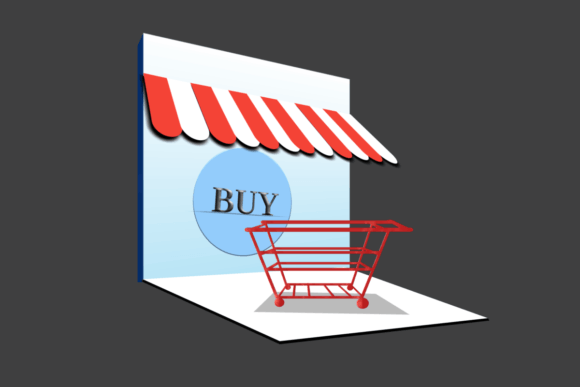
Marketplace Menu Isometric Image Guide
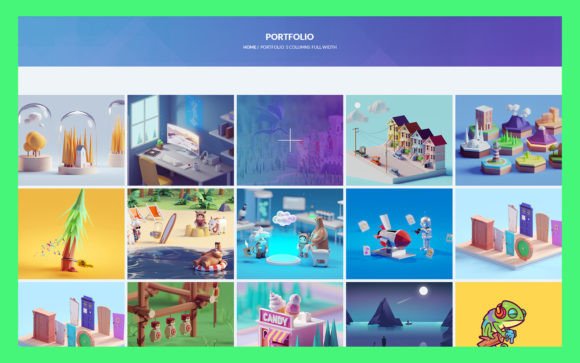
In the crowded digital landscape of e-commerce and online services, visual hierarchy is not just a design preference; it is a functional necessity. A Marketplace Menu Isometric Image serves as a powerful tool to bridge the gap between complex navigation structures and user-friendly interfaces. By presenting menu options, categories, or service tiers in a three-dimensional, angled perspective, these graphics transform static lists into engaging visual narratives. This approach does more than decorate a webpage; it guides the user’s eye, simplifies decision-making, and establishes a modern, professional tone for any digital storefront.
Understanding the utility of isometric design requires looking beyond aesthetics. For entrepreneurs, marketers, and creators, the choice to implement an isometric menu reflects a strategic decision to enhance user experience (UX). Whether you are launching a new online store, redesigning a corporate portal, or simply experimenting with digital art, the principles behind this visual style offer distinct advantages. The following exploration details how different audiences can leverage this design element to meet their specific goals, balancing creativity with practical functionality.
Defining the Visual Strategy
An isometric image uses a specific type of parallel projection where the three axes of space appear equally foreshortened, typically at 30-degree angles. When applied to a marketplace menu, this technique allows designers to stack elements, show depth, and create a sense of structure without the distortion of traditional perspective. Unlike flat design, which can sometimes feel sterile, or realistic 3D rendering, which can be heavy and slow to load, isometric graphics strike a balance. They are lightweight, scalable, and inherently organized.
For a Marketplace Menu Isometric Image, this means that product categories, service icons, or navigation buttons can be arranged in a cohesive, floating layout. This visual cohesion helps users understand relationships between different items. For instance, a "Premium" tier might sit physically higher than a "Basic" tier, subtly communicating value through spatial positioning. This intuitive mapping reduces cognitive load, allowing visitors to process information faster and navigate with greater confidence.
Perspectives for Business Owners and Entrepreneurs
Small business owners and startup founders often face the challenge of establishing credibility with limited resources. A well-crafted isometric menu can elevate the perceived quality of a brand instantly. For this audience, the primary priority is conversion. Every element on the homepage must work toward guiding the visitor toward a purchase or sign-up.
- Clarity: Isometric designs can group related products visually, making it easier for customers to find what they need.
- Brand Identity: The unique look of isometric art helps differentiate a store from competitors using generic templates.
- Engagement: Interactive isometric menus, where elements respond to hover states, increase time-on-site and reduce bounce rates.
Consider an online electronics retailer. Instead of a simple text list of "Laptops," "Phones," and "Accessories," an isometric image could depict these items as stylized, interconnected blocks. This not only looks appealing but also suggests a comprehensive ecosystem of products. For the entrepreneur, the investment in such a design pays off through improved user retention and a stronger brand recall.
The Creator and Designer’s Approach
For graphic designers, illustrators, and digital creators, the Marketplace Menu Isometric Image represents a canvas for technical skill and artistic expression. Here, the focus shifts from pure conversion to craftsmanship and flexibility. Creators evaluate these assets based on their adaptability. Can the colors be changed to match a client’s brand? Are the layers organized for easy editing? Is the resolution sufficient for both web and print?
Experienced designers appreciate isometric grids because they provide a structured framework for creativity. The constraints of the 30-degree angle force disciplined composition, resulting in clean, orderly designs. For freelancers selling design services, offering isometric menu concepts can be a high-value upsell. It demonstrates an understanding of modern UI trends and adds tangible value to a web development project.
However, creators must also consider accessibility. While isometric art is visually striking, it must not compromise readability. Text labels must remain clear against complex backgrounds, and interactive elements must have sufficient contrast. Balancing artistic flair with usability standards is the hallmark of a professional approach to this design style.
Educators and Content Developers
Educators and instructional designers find unique value in isometric visuals for explaining complex systems. In an educational marketplace or learning management system, an isometric menu can map out course pathways or module dependencies. The spatial arrangement helps learners visualize their progress and understand the sequence of topics.
For example, a coding bootcamp might use an isometric diagram to show the progression from "HTML Basics" to "JavaScript Frameworks." The visual metaphor of climbing steps or building blocks reinforces the concept of foundational learning. This audience prioritizes clarity and logical flow. The isometric format supports these needs by providing a clear, non-linear view of structured content, making abstract curriculum maps concrete and engaging.
Practical Application for Hobbyists and Beginners
Not everyone using a Marketplace Menu Isometric Image is a professional designer or a business owner. Hobbyists, bloggers, and individuals creating personal projects can also benefit from this style. For this group, the primary concerns are often ease of use and cost. Many ready-made isometric templates are available, allowing beginners to customize pre-built assets without needing advanced illustration skills.
A hobbyist running a fan site or a personal portfolio can use isometric icons to add a playful, polished touch to their navigation. The key is to start simple. Using basic shapes and limited color palettes ensures that the design remains clean and manageable. Online tools and vector libraries have democratized access to isometric design, enabling non-experts to achieve professional-looking results with minimal effort.
Evaluating Quality and Long-Term Usefulness
When selecting or creating an isometric menu image, several factors determine its long-term value. First, consider scalability. Vector-based formats (such as SVG) are preferred over raster images (like PNG or JPEG) because they remain crisp at any size. This is crucial for responsive design, where menus must adapt to mobile screens, tablets, and desktops.
Second, assess loading speed. Complex isometric illustrations can become large files if not optimized. Compressing images and using efficient code ensures that the visual appeal does not come at the cost of performance. Slow-loading pages negatively impact SEO and user satisfaction, so balancing detail with efficiency is essential.
Finally, think about maintenance. A design that is too intricate may be difficult to update when product lines change or services evolve. Modular isometric designs, where individual elements can be swapped or rearranged easily, offer greater flexibility for growing businesses.
Making the Right Choice for Your Project
Deciding whether a Marketplace Menu Isometric Image fits your project depends on your specific goals and audience. If your priority is rapid deployment and minimal cost, a simple flat design might suffice. However, if you aim to stand out, enhance brand perception, and guide users through a complex offering, isometric design offers a compelling solution.
Ask yourself: Does my audience value visual engagement? Do I have multiple categories or tiers that benefit from spatial organization? Am I willing to invest in custom design or high-quality templates? Answering these questions will help you determine if this visual strategy aligns with your objectives.
Ultimately, the power of isometric design lies in its ability to make the complex feel simple and the ordinary feel extraordinary. By integrating these principles thoughtfully, you can create a digital environment that is not only beautiful but also highly functional. Whether you are a seasoned marketer, a budding entrepreneur, or a creative enthusiast, embracing this visual tool can elevate your online presence and connect more effectively with your audience.