Elevating Digital Presence: A Strategic Guide to Modern Portfolio UI Elements
In the contemporary digital landscape, a portfolio is no longer merely a static collection of past work; it is a dynamic interface that communicates professional identity, technical proficiency, and aesthetic sensibility. For professionals, creators, entrepreneurs, and marketers, the pressure to present a compelling online narrative has never been greater. This is where the strategic implementation of 19 Portfolio UI Elements becomes a critical asset. These elements are not just decorative components; they are functional building blocks designed to streamline the user experience while showcasing content with clarity and impact.
The shift towards minimalism and usability in web design reflects a broader industry trend where attention spans are shrinking, and the demand for intuitive navigation is rising. By leveraging a toolkit that offers simple, clean, and modern design, users can bypass the steep learning curve associated with custom coding or complex design software. Instead, they can focus on curating their best work, ensuring that the medium does not overshadow the message.
The Evolution of User Expectations in Digital Portfolios
Understanding why people are paying attention to streamlined UI kits requires an examination of changing consumer behaviors. Today’s clients and employers expect immediacy and ease of use. They are less impressed by overly complex animations that hinder load times and more appreciative of layouts that allow them to find information quickly. This shift aligns with the broader technological movement towards mobile-first indexing and responsive design.
19 Portfolio UI Elements addresses these evolving needs by providing a framework that is both flexible and robust. The relevance of such a tool lies in its ability to adapt to various sectors, from graphic design and photography to software development and consulting. Whether you are a freelancer looking to secure your next contract or an agency aiming to highlight case studies, the underlying requirement remains the same: a professional presentation that builds trust.
Furthermore, the integration of Google Fonts and standardized Color RGB profiles ensures that these portfolios maintain visual consistency across different devices and browsers. This attention to detail is crucial for branding, as inconsistent typography or color representation can subtly undermine perceived professionalism. By utilizing a system that prioritizes organized layers and editable source files, creators can ensure that their digital presence remains cohesive and polished.
Customization and Workflow Efficiency
One of the primary drivers behind the adoption of pre-designed UI elements is the need for workflow efficiency. In a fast-paced business environment, time is a scarce resource. Traditional web design processes can be time-consuming, often requiring extensive back-and-forth between design and development teams. However, with a fully organized PSD (Photoshop Document) source file, the barrier to entry is significantly lowered.
The ability to easy change color style and fully edit components in Adobe Photoshop empowers users to maintain creative control without needing advanced coding skills. This democratization of design allows entrepreneurs and marketers to iterate quickly. For instance, if a brand undergoes a rebranding exercise, updating the portfolio to reflect new corporate colors can be done in minutes rather than days. This agility is essential for staying relevant in markets where trends shift rapidly.
Moreover, the structure of 19 Portfolio UI Elements supports a modular approach to design. Users can mix and match components to suit their specific needs. This modularity mirrors the agile methodologies prevalent in modern software development and project management, where flexibility and iterative improvement are valued over rigid, long-term planning. By adopting a toolkit that supports this mindset, professionals can keep their portfolios current and aligned with their latest achievements.
Practical Applications Across Industries
To understand the practical value of these UI elements, consider the diverse ways they can be applied across different professions:
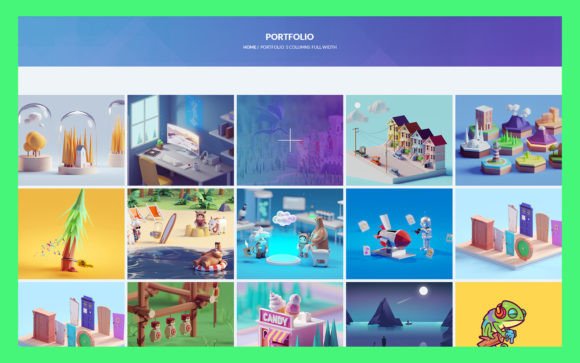
- Creative Freelancers: Photographers and illustrators can utilize grid-based layouts to showcase high-resolution images without clutter. The clean design ensures that the artwork remains the focal point, while subtle UI cues guide the viewer through the gallery.
- Tech Entrepreneurs: Startups and app developers can use structured sections to highlight key features, user testimonials, and download links. The modern aesthetic conveys innovation and reliability, which are critical for gaining investor confidence.
- Marketing Consultants: Professionals in this field can leverage case study templates to present data-driven results. Clear typography and organized layers allow for the easy insertion of charts and graphs, making complex information accessible to potential clients.
- Corporate Agencies: Larger entities can use the customizable nature of the PSD files to align the portfolio with strict brand guidelines. The ability to edit every layer ensures that logos, fonts, and color schemes adhere to corporate standards.
These examples illustrate how 19 Portfolio UI Elements serves as a versatile foundation for various professional narratives. It is not a one-size-fits-all solution but rather a adaptable framework that respects the unique requirements of different industries.
The Role of Design Systems in Modern Branding
The use of pre-built UI elements is part of a larger conversation about design systems. A design system is a collection of reusable components, guided by clear standards, that can be assembled together to build any number of applications. While 19 Portfolio UI Elements is a focused toolkit, it embodies the principles of a design system by offering consistency, reusability, and scalability.
For businesses and individual creators alike, maintaining a consistent visual language is vital for brand recognition. When users encounter a familiar layout and style across different touchpoints, it reinforces brand identity and fosters trust. The fully organized layers in the source file facilitate this consistency, allowing designers to replicate styles and structures effortlessly.
Additionally, the emphasis on Simple, clean, and modern design aligns with contemporary aesthetic preferences. Minimalism is not just a stylistic choice; it is a functional strategy that reduces cognitive load for the user. By eliminating unnecessary distractions, these UI elements help users focus on the content that matters most: the work itself.
Technical Considerations and Best Practices
While the ease of use is a significant advantage, it is important to approach customization with a strategic mindset. Here are some best practices for maximizing the potential of these UI elements:
- Maintain Visual Hierarchy: Use size, color, and spacing to guide the viewer’s eye. Ensure that the most important information, such as contact details or key projects, stands out.
- Optimize for Performance: Although the design files are in PSD format, remember to export images in web-friendly formats like JPEG or PNG. Compress images to reduce load times without sacrificing quality.
- Ensure Accessibility: Choose color combinations that provide sufficient contrast for readability. Consider users with visual impairments by avoiding reliance solely on color to convey information.
- Keep Content Fresh: A portfolio is a living document. Regularly update it with new projects and remove outdated work to keep it relevant and engaging.
By adhering to these principles, users can create portfolios that are not only visually appealing but also functional and accessible. The Source file format PSD provides the flexibility needed to implement these best practices effectively.
Conclusion: Investing in Your Digital Identity
In conclusion, the adoption of 19 Portfolio UI Elements represents a strategic investment in one’s digital identity. As the boundary between physical and professional presence continues to blur, having a polished, professional online portfolio is no longer optional—it is essential. These UI elements offer a pathway to achieving that professionalism without the need for extensive technical expertise or resources.
By focusing on simple, clean, and modern design, and leveraging the customizable nature of Adobe Photoshop files, professionals can create portfolios that resonate with their target audience. The integration of Google Fonts and standardized color profiles ensures a cohesive look, while the organized layer structure facilitates easy updates and maintenance.
Ultimately, the goal of any portfolio is to tell a story. It is a narrative of skill, experience, and vision. With the right tools, that story can be told clearly, compellingly, and beautifully. 19 Portfolio UI Elements provides the canvas and the brushes; it is up to the creator to paint the masterpiece. As technology continues to evolve and user expectations rise, those who embrace efficient, customizable design solutions will be best positioned to succeed in the competitive digital marketplace.
For those ready to elevate their online presence, exploring these UI elements is a logical next step. It is an opportunity to align your digital footprint with your professional ambitions, ensuring that your work speaks for itself in the most effective way possible. Visit our resource center to learn more about how these tools can transform your website, app, or service presentation today.