Streamlining Digital Presence: The Strategic Value of 14 Portfolio UI Elements for Modern Creators
In the contemporary digital landscape, a portfolio is no longer merely a static archive of past work; it is a dynamic interface that communicates professional identity, technical proficiency, and aesthetic sensibility. For professionals, creators, entrepreneurs, and marketers, the pressure to maintain a compelling online presence has never been greater. This demand has catalyzed a shift toward modular, highly customizable design resources. Among these, 14 Portfolio UI Elements have emerged as a critical tool for those seeking to balance visual impact with operational efficiency. These elements are not just decorative assets; they are functional components designed to streamline the web design process while ensuring a polished, professional outcome.
The Evolution of Portfolio Design in a Fast-Paced Market
The traditional workflow for creating a personal or agency website often involved starting from scratch or heavily modifying rigid templates. This approach was time-consuming and frequently resulted in generic outcomes that failed to distinguish the creator in a saturated market. Today, the industry trend leans heavily toward modularity and customizability. Clients and employers expect seamless user experiences across devices, rapid load times, and distinct visual branding. Meeting these expectations requires a design foundation that is both robust and flexible.
This is where the concept of simple, clean, and modern design becomes paramount. The 14 Portfolio UI Elements kit addresses this need by providing a curated collection of interface components that are pre-structured for immediate use. By leveraging these elements, designers and developers can bypass the initial heavy lifting of layout construction, allowing them to focus on content strategy and brand alignment. This shift reflects a broader movement in the creative economy: the prioritization of speed-to-market without sacrificing quality.
Understanding the Core Components
At its heart, this resource is a comprehensive PSD (Photoshop Document) file, organized meticulously to facilitate easy editing. The inclusion of fully organized layers is not a minor detail; it is a fundamental requirement for professional workflows. When a designer opens the file, they are not greeted with a chaotic stack of unnamed groups. Instead, they find a logical hierarchy that mirrors the visual structure of the final output. This organization allows for rapid iteration. Whether you are adjusting the spacing between grid items or swapping out placeholder images, the intuitive layer structure ensures that changes can be made confidently and quickly.
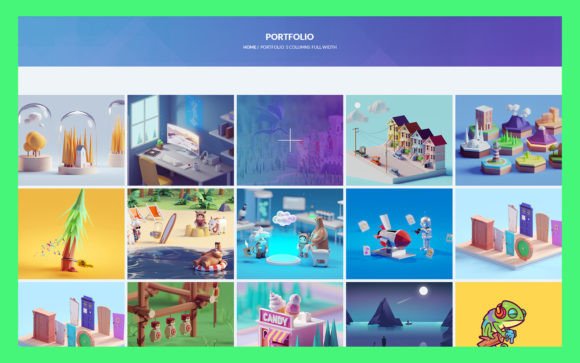
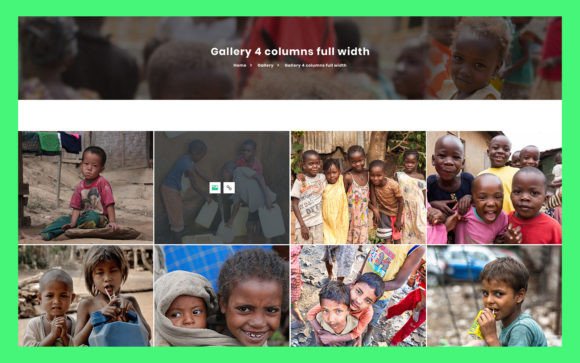
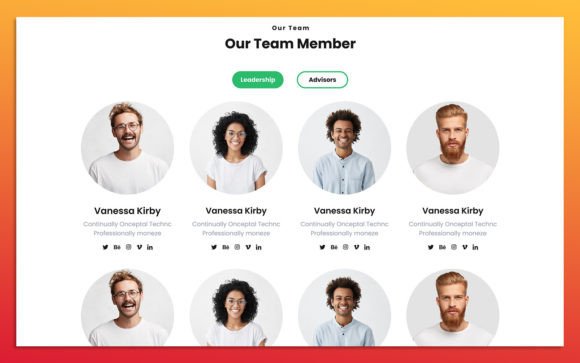
The kit typically includes essential components such as hero sections, project galleries, about me modules, contact forms, and navigation bars. Each of these fourteen elements is designed with a minimalist aesthetic that serves as a neutral canvas for your content. This neutrality is strategic. It ensures that the design does not overpower the work being showcased. For photographers, graphic designers, and UX researchers, the portfolio must remain secondary to the projects themselves. The clean lines and ample white space characteristic of these UI elements create a breathing room that highlights the featured work.
Customization and Adaptability
One of the most significant advantages of using 14 Portfolio UI Elements is the ease of customization. In an era where brand consistency is crucial, the ability to modify color styles instantly is invaluable. The files are set up in Color RGB, the standard for digital displays, ensuring that what you see on your screen is what your audience will see on their devices. Changing the color palette to match specific brand guidelines is straightforward, often requiring only a few adjustments to smart objects or adjustment layers within Adobe Photoshop.
Furthermore, the integration of Google Fonts enhances typographic flexibility. Typography is a powerful tool for establishing tone. Whether you prefer the geometric precision of sans-serif fonts for a tech-focused portfolio or the elegant serifs for a literary or artistic showcase, the compatibility with Google Fonts allows for seamless typography swaps. This feature ensures that the textual elements of the portfolio align perfectly with the visual narrative, creating a cohesive user experience.
Aligning with Professional Workflows and Trends
The relevance of these UI elements extends beyond mere convenience; they align with current professional workflows that emphasize agility. Freelancers and agencies often juggle multiple projects simultaneously. The ability to deploy a high-quality portfolio framework rapidly means more time can be allocated to client acquisition and project execution. For entrepreneurs launching new services, a professional online presence is often the first point of contact. A polished, well-structured portfolio builds trust and credibility before a single conversation takes place.
Moreover, the trend toward no-code and low-code solutions has influenced how designers approach asset creation. While these elements are provided in PSD format, their clear structure makes them ideal references for developers building custom sites or for designers using page builders in platforms like WordPress or Webflow. The visual clarity of the PSD serves as a precise blueprint, reducing miscommunication between design and development teams. This cross-functional utility makes the 14 Portfolio UI Elements a versatile asset in any digital toolkit.
Practical Applications for Diverse Audiences
Consider the case of a freelance marketer. Their portfolio needs to showcase campaign results, testimonials, and case studies. Using a pre-designed gallery element from this kit, they can quickly arrange case study thumbnails in a grid that is visually engaging and easy to navigate. Similarly, a software developer might use the clean code-snippet display modules to highlight technical skills without cluttering the interface. The versatility of the fourteen elements allows them to be repurposed across various industries.
For enthusiasts and hobbyists looking to turn their passion into a side hustle, the barrier to entry is often technical skill. These UI elements lower that barrier. By providing a simple and easy to use foundation, they empower individuals to create professional-grade websites without needing extensive coding knowledge. This democratization of design tools contributes to a more vibrant and diverse creative economy, where talent can shine regardless of technical background.
The Importance of Source File Integrity
When downloading design resources, the integrity of the source file is critical. Many free or low-cost templates suffer from poor organization, missing fonts, or broken links. The 14 Portfolio UI Elements kit distinguishes itself by prioritizing file hygiene. The use of Adobe Photoshop as the primary platform ensures compatibility with industry-standard tools. Photoshop’s robust layer management and smart object capabilities allow for non-destructive editing. This means users can experiment with different layouts and styles without permanently altering the original assets, providing a safety net during the creative process.
Additionally, the reliance on Google Fonts eliminates licensing headaches. Since these fonts are open-source and widely available, users do not need to purchase additional licenses or worry about font availability on different systems. This attention to legal and technical detail reflects a professional approach to resource creation, ensuring that the user’s experience is smooth from download to deployment.
Conclusion: Investing in Efficient Design
In conclusion, the adoption of 14 Portfolio UI Elements represents a strategic decision for modern professionals. It is an acknowledgment that time is a scarce resource and that design efficiency does not have to come at the cost of quality. By utilizing these simple, clean, and modern components, creators can build portfolios that are not only visually appealing but also highly functional and aligned with current industry standards.
As the digital marketplace continues to evolve, the ability to adapt quickly and present a polished professional image will remain a key differentiator. Whether you are a seasoned designer looking to streamline your workflow, an entrepreneur launching a new venture, or a freelancer seeking to stand out, these UI elements provide the foundational structure needed to succeed. They offer a blend of customizability, ease of use, and professional polish that meets the demands of today’s fast-paced creative environment. By integrating these tools into your design process, you invest not just in a website, but in a more efficient and effective professional presence.
For those ready to elevate their digital footprint, exploring these resources is a logical next step. The combination of fully organized layers, RGB color profiles, and modern typography support ensures that your portfolio will not only look great but also perform well in attracting and retaining the attention of your target audience. Embrace the simplicity, leverage the customization, and let your work speak for itself.