Mastering Visual Communication: The Power of 0 to 9 3D Render PNG Files in Modern Design
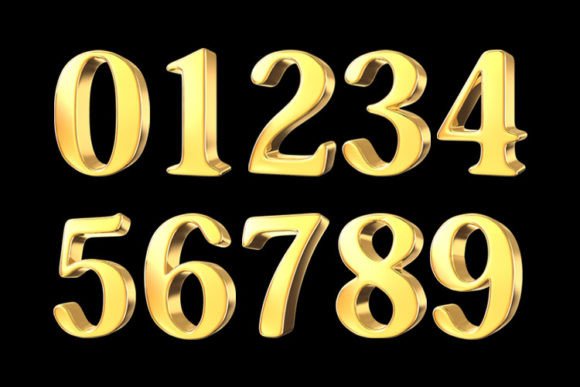
In the rapidly evolving landscape of digital design, the demand for high-quality, versatile visual assets has never been greater. Among the most fundamental yet impactful resources available to creators today are 3D render files of numbers 0 to 9, specifically delivered as high-quality PNG images. While they may seem like simple building blocks, these digital assets play a crucial role in branding, user interface design, educational materials, and marketing campaigns. Understanding how to effectively utilize these renders can significantly elevate the professionalism and aesthetic appeal of any project.
Why 3D Number Renders Matter in Digital Media
At first glance, a number is just a symbol representing a quantity. However, in visual communication, the presentation of that number carries weight, tone, and context. Traditional flat typography often fails to capture attention in an increasingly saturated digital environment. This is where 3D rendered numbers step in. By adding depth, shadow, texture, and lighting, these transforms transform mundane digits into compelling visual elements.
The significance of using pre-rendered 3D assets lies in their efficiency and consistency. Creating high-fidelity 3D models from scratch requires specialized software skills, significant rendering time, and powerful hardware. By utilizing ready-made high-quality PNG files, designers, marketers, and educators can bypass the technical hurdles while still achieving a premium, three-dimensional look. This democratization of high-end design allows individuals and small businesses to compete visually with larger entities that have dedicated production teams.
The Technical Advantage of PNG Format
When selecting digital assets, file format is just as important as the content itself. The choice of PNG (Portable Network Graphics) for these 3D number renders is deliberate and highly beneficial. Unlike JPEGs, which compress images and often introduce artifacts around sharp edges, PNGs support lossless compression. This ensures that the crisp edges, subtle gradients, and intricate lighting effects of the 3D renders remain intact.
Furthermore, PNGs support transparency. This feature is indispensable for designers who need to overlay numbers onto various backgrounds—whether it’s a vibrant website banner, a corporate presentation slide, or a social media post. The ability to seamlessly integrate these 3D elements without a cumbersome white box background saves hours of editing time and ensures a polished final product.
Practical Applications Across Industries
The versatility of 0 to 9 3D render files means they are not limited to a single niche. Their application spans across multiple sectors, enhancing both functionality and aesthetics. Here is how different industries leverage these assets:
- Marketing and Advertising: Eye-catching visuals drive engagement. Using 3D numbers in promotional graphics for sales (e.g., "50% OFF") or countdowns creates a sense of urgency and excitement that flat text cannot match.
- Web and UI/UX Design: In app interfaces, 3D numbers can be used for step indicators, pricing tables, or data visualization dashboards. They add a tactile quality that guides the user’s eye and improves navigation intuition.
- Education and E-Learning: For young learners, abstract concepts like mathematics become more tangible when presented with colorful, textured 3D objects. These renders make learning materials more engaging and less intimidating.
- Corporate Presentations: Business reports often rely on data. Highlighting key metrics with bold, 3D-rendered figures helps stakeholders focus on critical information, making presentations more persuasive and memorable.
Enhancing Brand Identity Through Consistency
One of the most overlooked aspects of using standardized asset packs is brand consistency. When a company uses a specific style of 3D numbers across all its touchpoints—from Instagram stories to annual reports—it creates a cohesive visual language. This consistency builds recognition and trust. If a brand opts for a sleek, metallic finish for its numbers, that choice communicates modernity and precision. Conversely, soft, pastel-colored renders might convey approachability and creativity. By selecting a unified set of 0 to 9 renders, organizations ensure that their visual identity remains strong and recognizable.
Common Misconceptions About Using Pre-Rendered Assets
Despite their benefits, there are several misunderstandings regarding the use of pre-made 3D assets. Addressing these can help users make more informed decisions about their design workflows.
Misconception 1: "Pre-rendered files lack customization."
While you cannot change the geometry of a static PNG as easily as a live 3D model, high-quality renders often come with transparent backgrounds and high resolutions. This allows for extensive customization through color grading, shadow adjustment, and compositing in tools like Photoshop or Canva. For most non-animation purposes, the flexibility is sufficient.
Misconception 2: "They look generic."
This depends entirely on the quality of the source file. Generic, low-effort renders do exist, but premium 3D render PNGs are crafted with attention to lighting, material physics, and composition. When chosen carefully, they look bespoke and professional. The key is to select assets that align with your specific design aesthetic rather than grabbing the first free option available.
Misconception 3: "File sizes will slow down my website."
While PNGs can be larger than JPEGs, modern optimization techniques and responsive design practices mitigate this issue. Using appropriate image sizing and compression tools ensures that high-quality visuals do not compromise site performance. The trade-off for visual impact is often worth the minimal load time increase when managed correctly.
How to Choose the Right 3D Number Pack
With countless options available online, selecting the right set of 0 to 9 3D render files requires a strategic approach. Consider the following factors to ensure you get the best value for your projects:
- Resolution and Clarity: Always check the pixel dimensions. For print materials, you need high-resolution files (300 DPI or higher). For web use, ensure the images are sharp at standard screen resolutions. Blurry edges ruin the 3D effect.
- Lighting and Shadow Consistency: Examine the direction of light and shadows in the renders. If you plan to use multiple numbers together, they must share the same lighting environment. Inconsistent shadows will break the illusion of depth and look amateurish.
- Style Alignment: Does the style match your brand? Are the numbers glossy, matte, metallic, or organic? Ensure the aesthetic complements your existing design elements rather than clashing with them.
- Licensing Terms: Always review the license agreement. Some files are for personal use only, while others allow commercial application. Understanding these rights prevents legal issues down the line.
Integrating 3D Numbers into Your Workflow
Once you have acquired your high-quality PNG files, integrating them into your workflow is straightforward. Start by organizing your assets in a dedicated folder. When designing, treat the 3D numbers as focal points. Use whitespace effectively to let them breathe. Avoid cluttering the area around the numbers, as their three-dimensional nature already draws significant attention.
For those using design software like Adobe Photoshop, Illustrator, or Figma, take advantage of layer styles. You can add drop shadows, glows, or color overlays to further customize the renders to fit your specific project needs. Remember, the goal is to enhance communication, not just to decorate. Every number should serve a purpose, whether it’s highlighting a price, indicating a step, or displaying a statistic.
Conclusion: Elevating Design with Simple Tools
The availability of Number 0 to 9 3D render files in high-quality PNG format represents a significant advantage for modern creators. These assets bridge the gap between complex 3D modeling and accessible graphic design, allowing anyone to produce professional-grade visuals. By understanding their technical benefits, practical applications, and strategic implementation, you can transform ordinary numerical data into extraordinary visual experiences.
Whether you are a seasoned designer looking to speed up your workflow or a beginner aiming to polish your presentations, embracing these tools can lead to more engaging, effective, and aesthetically pleasing outcomes. In a world where attention is scarce, the small details—like the depth and texture of a number—can make all the difference in capturing and retaining your audience’s interest.