13 Portfolio UI Elements: Clean PSD Design
In the competitive landscape of digital design, your portfolio is more than just a collection of images; it is the primary interface through which potential clients and employers evaluate your professional identity. A cluttered or outdated presentation can obscure even the most brilliant work, while a streamlined, intuitive layout amplifies your creative voice. This is where 13 Portfolio UI Elements becomes an invaluable resource for designers, freelancers, and agencies seeking to elevate their online presence without starting from scratch. By leveraging a pre-structured, fully customizable framework, you can focus less on technical grid construction and more on curating a narrative that resonates with your audience.
The core appeal of this resource lies in its balance between simplicity and sophistication. It offers a modern, clean aesthetic that adheres to current web design standards, ensuring that your content remains the focal point. Whether you are a graphic designer showcasing branding projects, a photographer displaying high-resolution imagery, or a UX researcher presenting case studies, having a solid structural foundation allows for rapid deployment and easy iteration. The inclusion of fully organized layers in Adobe Photoshop format means that every component is accessible, editable, and ready to be tailored to your specific brand identity.
Why Structure Matters in Creative Portfolios
A common misconception among emerging creatives is that a portfolio should be an experimental playground for wild, unconventional layouts. While creativity is essential, usability must never be sacrificed for novelty. Users visiting your site are often scanning for specific information: your style, your range, and your contact details. If they have to decipher a complex navigation system or wait for heavy, unoptimized elements to load, you risk losing their attention.
13 Portfolio UI Elements addresses this by providing a logical, user-centric architecture. The design prioritizes white space, clear typography using Google Fonts, and a consistent visual hierarchy. This approach ensures that visitors can effortlessly navigate through your work, understanding the context and quality of each project without cognitive friction. For professionals aged 20 to 50 who manage multiple responsibilities—from client meetings to actual design execution—efficiency is paramount. A template that is easy to customize saves hours of development time, allowing you to redirect that energy toward refining your craft or acquiring new business.
Customization and Visual Identity
One of the standout features of this PSD package is its flexibility. While the base design is simple and clean, it is far from rigid. The file is built with RGB color settings and fully organized layers, making it straightforward to adjust the visual tone to match your personal or corporate brand. Changing the color scheme is not merely a cosmetic update; it is a strategic decision that influences how your work is perceived.
For instance, a minimalist black-and-white palette might suit a high-end fashion photographer aiming for an air of exclusivity and elegance. In contrast, a vibrant, colorful scheme could better serve a children’s book illustrator or a digital marketer specializing in playful social media campaigns. Because the layers are well-labeled and grouped, you can isolate specific UI components—such as buttons, headers, or background shapes—and modify them without affecting the rest of the layout. This level of control ensures that your portfolio feels bespoke rather than generic, maintaining originality while benefiting from professional structural guidance.
Adapting the Elements for Different Professions
The versatility of 13 Portfolio UI Elements allows it to serve a wide array of creative and professional fields. Here is how different users can adapt these components to meet their specific goals:
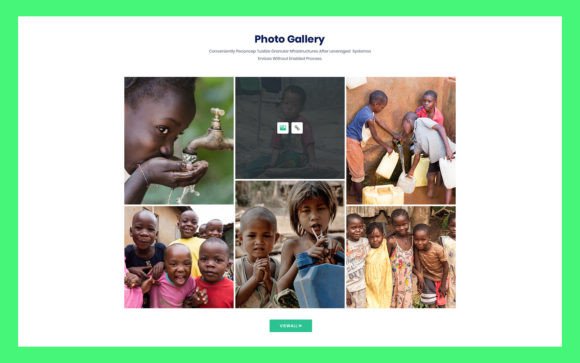
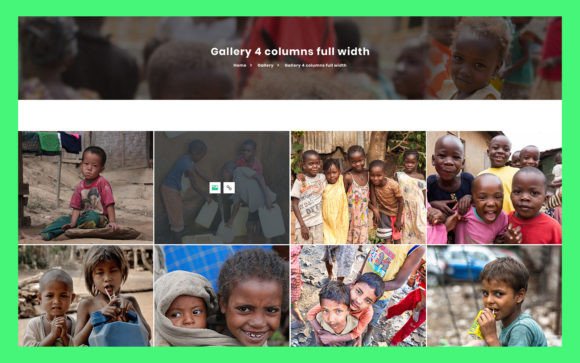
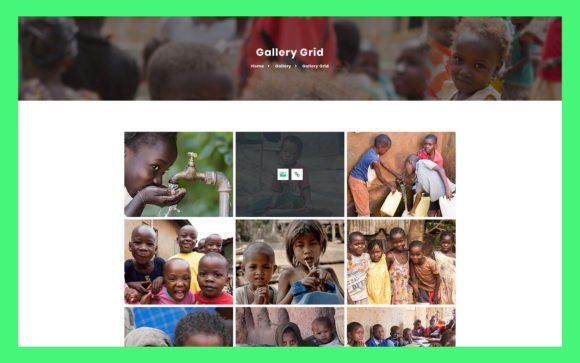
- Graphic Designers and Illustrators: Use the grid-based layouts to create cohesive galleries that highlight visual consistency. The clean backgrounds ensure that intricate details in your artwork are not distracted by noisy interface elements.
- UX/UI Designers: Leverage the structured sections to present case studies. You can use the text-heavy modules to explain your design process, research findings, and problem-solving methodologies, interspersed with screenshots of your interfaces.
- Photographers: The emphasis on large image containers allows for full-bleed photos that make a strong visual impact. The simple navigation ensures that the viewer’s eye moves smoothly from one shot to the next.
- Freelance Writers and Content Strategists: Although primarily visual, the layout can be adapted to showcase written portfolios by using text blocks for excerpts and linking to full articles. The clean typography enhances readability, which is crucial for text-based work.
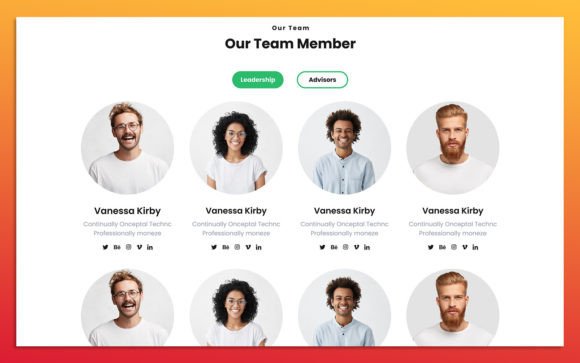
- Small Business Owners: Entrepreneurs can use these elements to build a sleek "About Us" or "Services" page that complements their main website, ensuring a consistent brand experience across all digital touchpoints.
Practical Tips for Effective Implementation
To get the most out of these UI elements, it is important to approach customization with a strategic mindset. Simply swapping out images is not enough; you must consider the story you are telling. Start by auditing your existing work. Select only your strongest pieces that align with the type of projects you want to attract in the future. Quality always trumps quantity.
When editing the PSD file, pay close attention to alignment and spacing. Consistency is key to a professional look. Ensure that margins are uniform and that typography scales logically across different sections. Since the template uses Google Fonts, you have access to a vast library of typefaces that are web-safe and optimized for readability. Choose a font pair that reflects your brand personality—perhaps a bold sans-serif for headings and a light serif for body text—to create visual interest without sacrificing clarity.
Additionally, consider the responsive nature of your final output. While you are designing in Photoshop, keep in mind how these elements will translate to mobile devices. Keep critical information and call-to-action buttons within easy reach, and avoid placing essential text too close to the edges where it might be cut off on smaller screens.
Enhancing User Experience Through Simplicity
The philosophy behind 13 Portfolio UI Elements is rooted in the principle that good design is invisible. When a portfolio is well-structured, the user does not notice the layout; they notice the work. This seamless experience builds trust and credibility. It signals to potential clients that you value their time and understand the importance of clear communication.
Moreover, a simple design is easier to maintain. As your career progresses and your body of work evolves, you will need to update your portfolio regularly. A clean, organized file structure makes this process manageable. You can quickly swap out old projects for new ones, update your contact information, or tweak your bio without having to rebuild the entire site. This longevity makes the initial investment in a high-quality template highly cost-effective over time.
For educators and hobbyists, these elements provide an excellent learning tool. By dissecting the layered PSD file, you can gain insights into professional design workflows, layer management, and composition techniques. It serves as a practical example of how industry standards are applied in real-world scenarios, offering educational value beyond immediate utility.
Final Thoughts on Elevating Your Digital Presence
In an era where first impressions are often digital, your portfolio is your most powerful marketing asset. 13 Portfolio UI Elements offers a pragmatic solution for creators who want to present their work with professionalism and style. By combining ease of use with deep customizability, it empowers you to take control of your narrative. Whether you are launching your first freelance venture or refreshing an established brand, this tool provides the structural integrity needed to let your creativity shine. Embrace the simplicity, tailor the details, and create a portfolio that not only showcases your work but also reflects your unique professional identity.